What is astragalus?
The root of a legume used for centuries in traditional Chinese medicine, often combined with other herbs.
Blood sugar research
According to NCCIH, a 2024 review of 20 studies (953 adults with type 2 diabetes) found adding astragalus to metformin reduced fasting blood glucose and A1C more than metformin alone. Most studies were low quality and at risk of bias, so this is a lead, not a conclusion.
Other uses
Also traditionally used for immune support, energy and general wellbeing.
Safety
- May be safe orally; a thorough safety evaluation has not been done.
- Might worsen autoimmune disease; avoid if you have one.
- May interact with immune-suppressing medicines.
- Unknown safety in pregnancy and breastfeeding.
How astragalus is used traditionally
In traditional Chinese medicine, astragalus root is usually boiled in soups or teas, often with other herbs, rather than taken alone. Modern supplements use extracts. The research NCCIH describes used it as an add-on to diabetes medicine in people already under care, which is very different from using it on its own (NCCIH).
Where astragalus root extract fits in Olivaro
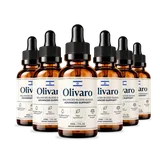
Olivaro lists astragalus root extract inside its 200 mg proprietary blend, in the “adaptogens” part of the formula. It works alongside the other botanicals, amino acids and chromium in every 1 ml serving. See the full list in Olivaro ingredients, or check Olivaro prices.
FAQ
Does astragalus support blood sugar?
A 2024 review found it helped when added to metformin. Ask your doctor before combining it with medicine.
Who should avoid astragalus?
People with autoimmune diseases or taking immune-suppressing drugs, according to NCCIH.
Sources
General information only, not medical advice. Prices and label details come from the official Olivaro order page, checked October 20, 2026. Read the label on your bottle and see our disclaimer.