What carnitine does
According to the NIH ODS carnitine fact sheet, carnitine transports long-chain fatty acids into mitochondria, where they are burned for energy. Healthy people make enough carnitine in the liver and kidneys, and get more from food.
Food sources
Red meat is the richest source, followed by fish, poultry and milk.
Weight research
The ODS weight-loss fact sheet lists several trials (weight was a secondary outcome) showing a possible modest reduction in body weight.
Safety
No safety concerns up to 2 g a day for a year, or 4 g a day for 56 days. Side effects: nausea, vomiting, diarrhea, cramps and a fishy body odor. Carnitine may raise TMAO, a compound linked to heart disease risk.
Carnitine and exercise
Carnitine is also marketed for exercise performance. The NIH’s exercise and athletic performance fact sheet reviews its role in exercise and energy metabolism.
Who might need carnitine
Some people with certain genetic conditions, kidney disease on dialysis, or taking specific medicines may need carnitine under medical supervision (ODS). That is very different from a small amount in a supplement blend.
Where L-carnitine base fits in Olivaro
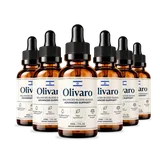
Olivaro lists L-carnitine base inside its 200 mg proprietary blend, in the “amino acids” part of the formula. It works alongside the other botanicals, amino acids and chromium in every 1 ml serving. See the full list in Olivaro ingredients, or check Olivaro prices.
FAQ
Does L-carnitine burn belly fat?
There is no evidence it targets belly fat. Any weight effect seen in trials was modest.
Do I need to supplement carnitine?
Most healthy people make enough and get more from food, according to the NIH.
Sources
- NIH ODS: Carnitine fact sheet
- NIH ODS: Dietary supplements for weight loss
- NIH ODS: Supplements for exercise and athletic performance
General information only, not medical advice. Prices and label details come from the official Olivaro order page, checked October 20, 2026. Read the label on your bottle and see our disclaimer.